Sisters of Mercy
College of Saint Mary was founded by the Sisters of Mercy in 1923 with a vision of expanding access to education for women. Inspired by their founder, Catherine McAuley, the Sisters believed education could transform lives, strengthen communities, and empower women to lead.
Who are the Sisters of Mercy?
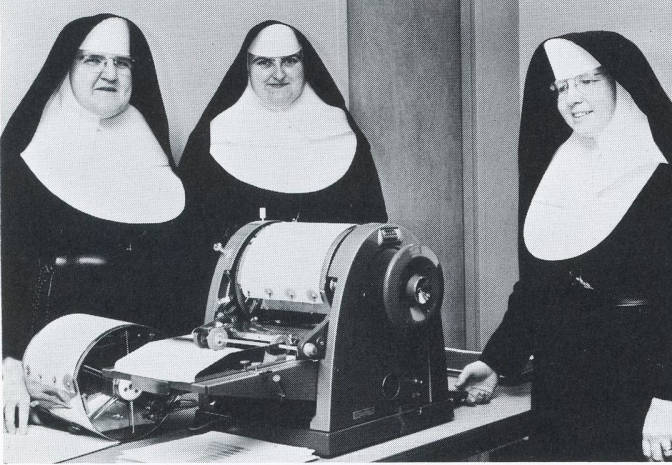
The Sisters of Mercy are a Catholic religious community dedicated to education, service, and justice. Founded by Catherine McAuley in 1831, their mission was simple but powerful: respond to the needs of the time with compassion and action. That same spirit inspired the founding of College of Saint Mary and continues to guide the college today.
Catherine McAuley: A Vision for Change
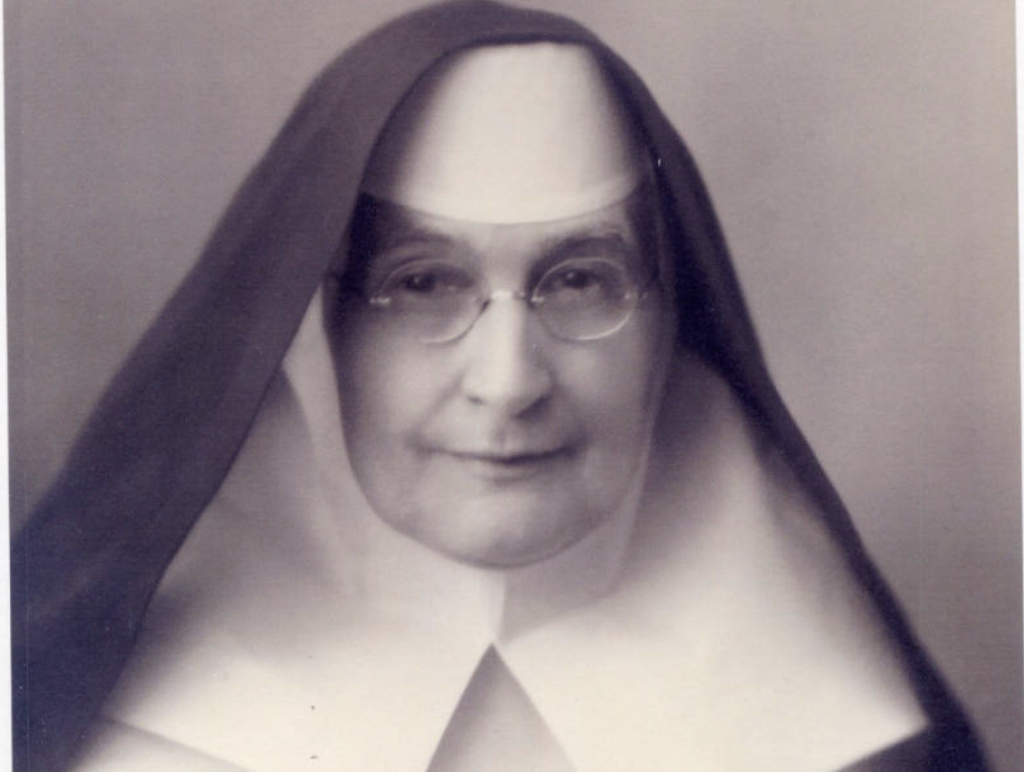
Catherine McAuley founded the Sisters of Mercy in Dublin, Ireland, in 1831. At a time when many women and children had little access to education or opportunity, she opened the House of Mercy to provide schooling, care for the poor, and support for women seeking independence.
Her belief was straightforward: education and compassion could transform lives and strengthen communities. That vision quickly spread beyond Ireland and continues to influence Mercy institutions around the world.





A Legacy of Mercy
From a small house in Dublin to ministries across the United States, the Sisters of Mercy have spent nearly two centuries responding to the needs of their communities. Their commitment to education, service, and compassion has shaped countless lives and communities—especially in Omaha.
1831
Catherine McAuley establishes the first House of Mercy in Dublin, Ireland.
1843
The Sisters of Mercy arrive in the United States, expanding their ministries in education and healthcare.
1864
The Sisters of Mercy arrived in Omaha and begin establishing schools and ministries that serve the growing community.
1870
The Sisters of Mercy establish St. Joseph’s Mercy Hospital in Omaha, one of the city’s earliest hospitals, providing care for the sick and vulnerable.
1888
The sisters found that their building was not large enough to meet the demands of their growing school. That’s when they moved to a spacious new convent at 1424 Castelar St in Omaha.
1910
The Sisters of Mercy open St. Catherine’s Hospital, expanding healthcare services for Omaha families and mothers.
1923
The Sisters of Mercy found College of Saint Mary in Omaha to expand educational opportunities for women.
1955
Mercy High School opens, continuing the Sisters’ long commitment to educating women.
1964
A new facility—Archbishop Bergan Mercy Hospital—opens in Omaha, continuing the Sisters of Mercy tradition of compassionate healthcare.
Today
The Sisters of Mercy serve communities around the world through education, healthcare, and social justice initiatives.
Hear From the Sisters
Hear the story of the Sisters of Mercy in their own words. The Sisters share the history of their order and the mission that has guided their work in education, healthcare, and service for nearly two centuries.
Mercy In Action
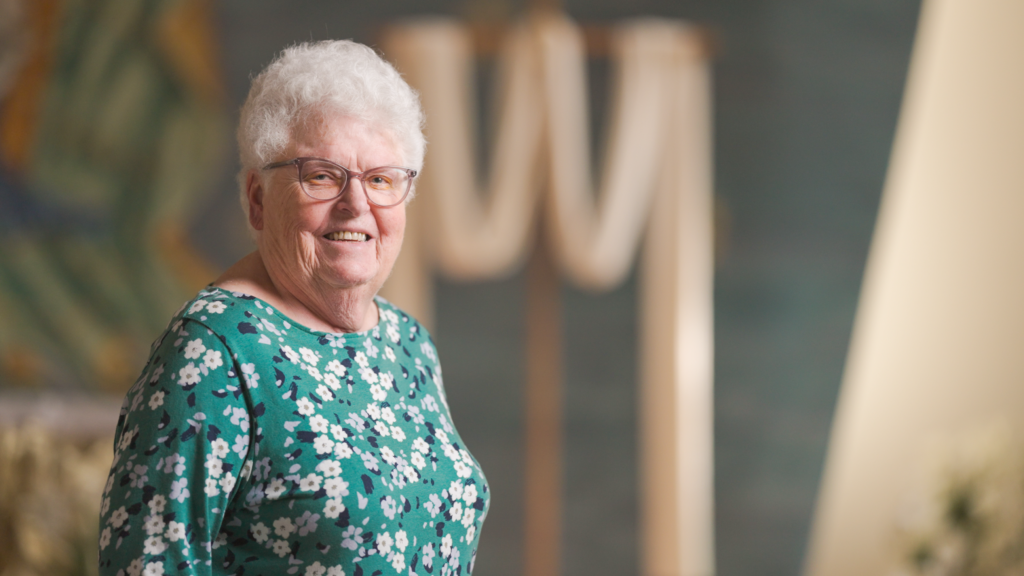
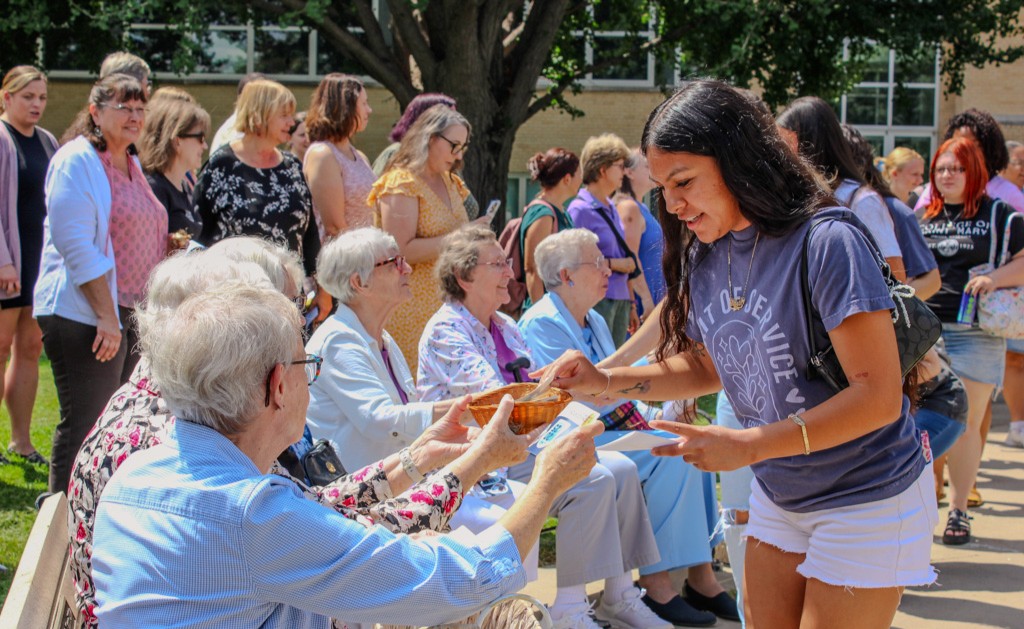
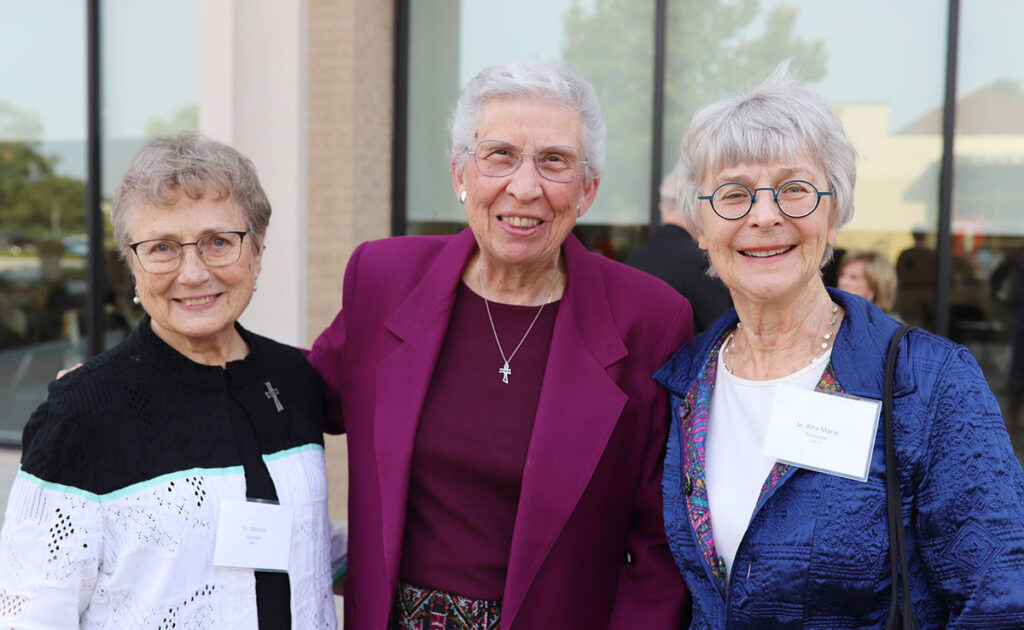
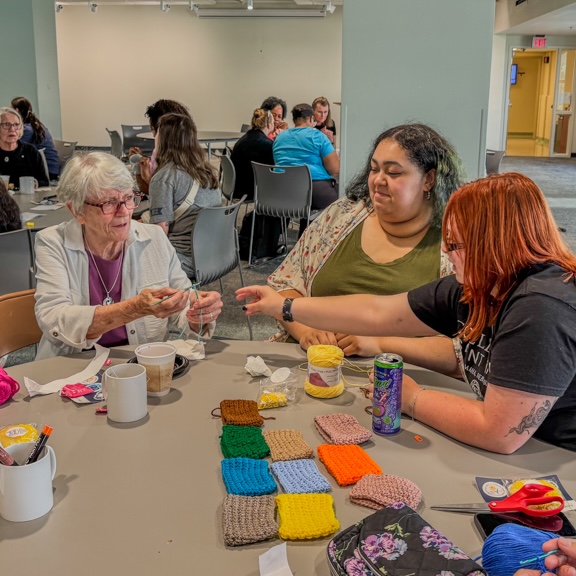
The Sisters of Mercy remain an active presence at College of Saint Mary. Their presence helps bring Mercy values to life, encouraging students to lead with compassion, integrity, and a commitment to serving others.



Carry the Mercy Mission Forward
Mercy Associates are lay people who choose to share in the mission of the Sisters of Mercy. Through prayer, service, and community, they partner with the Sisters to carry forward Mercy values and address the five Critical Concerns, especially helping people experiencing poverty, illness, or limited access to education.
Students, alumni, and community members who feel called to the Mercy mission can become Mercy Associates through a period of formation, reflection, and commitment. This journey invites participants to deepen their connection to Mercy values and live them out through service and community.
There are currently about 30 active associates in Omaha and over 3,100 all over the world.